
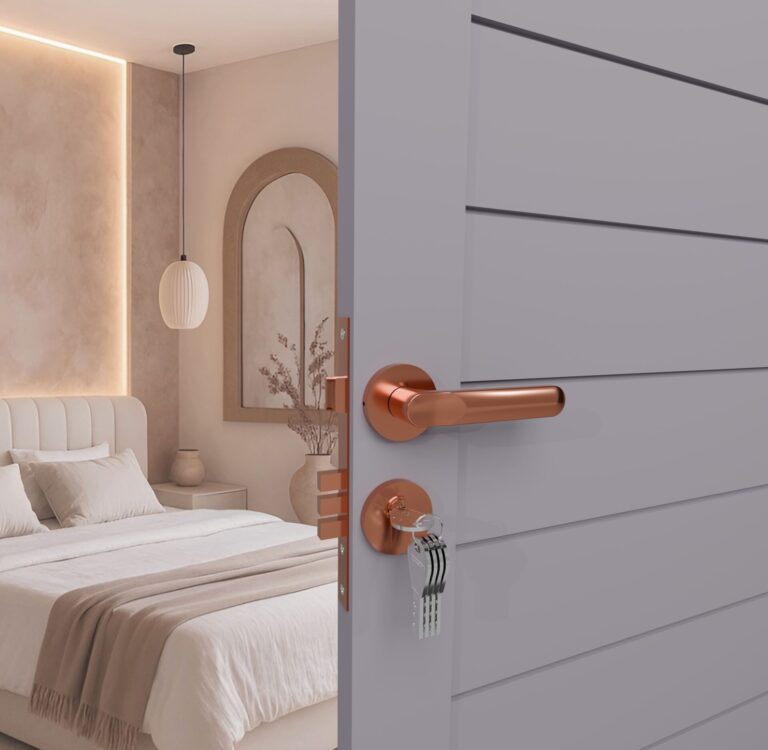
Interior hardware plays a far more critical role in modern spaces than many people realize. From door handles and cabinet fittings to hinges and functional accessories, hardware determines how smoothly interiors function over time. While design and finish often attract attention, long-term performance depends heavily on interior hardware quality grades and compliance with recognized standards.
Understanding hardware quality standards and certifications helps homeowners, architects, and developers make informed decisions. High-quality hardware ensures safety, durability, and consistent performance, especially in high-usage environments. As interior spaces become more refined and functional, the demand for quality-certified hardware continues to grow across residential and commercial projects.
Interior hardware quality grades refer to classification systems that define the strength, durability, performance, and usage suitability of hardware products. These grades are determined through standardized testing, material evaluation, and performance benchmarks.
Rather than focusing only on appearance, grading systems evaluate how hardware performs under real-life conditions. Furniture hardware quality is assessed based on factors such as load-bearing capacity, cycle life, corrosion resistance, and finish durability. These grades help buyers choose the right hardware based on expected usage rather than price alone.
In simple terms, quality grades indicate:
How long the hardware will last
How much stress it can handle
Where it should be used (residential or commercial)
Ignoring quality grades can lead to frequent failures, safety risks, and higher maintenance costs. Hardware quality standards ensure that products meet minimum performance expectations and can withstand daily usage.
The importance of quality grades becomes evident when hardware is exposed to:
Frequent opening and closing cycles
Heavy load or weight-bearing usage
Moisture, dust, or temperature variations
Low-grade hardware may look appealing initially, but poor internal strength often results in early wear. Choosing durable interior hardware based on proper grading ensures consistent performance and long-term value.
The interior hardware industry follows established hardware grading systems to classify products according to performance levels. These systems help standardize quality expectations across manufacturers.
Typical grading classifications include:
Light-duty hardware for low-usage residential areas
Medium-duty hardware for standard home and office use
Heavy-duty or commercial grade hardware for high-traffic environments
Grading systems evaluate:
Mechanical strength
Cycle testing (opening/closing repetitions)
Resistance to wear and corrosion
These evaluations help define furniture hardware standards that professionals rely on during project planning.
The difference between residential and commercial hardware lies primarily in usage frequency and stress levels. Residential hardware quality focuses on comfort, aesthetics, and moderate durability, while commercial-grade products prioritize strength and endurance.
Key differences include:
Commercial hardware supports higher usage cycles
Residential hardware focuses more on design flexibility
Commercial-grade hardware offers enhanced structural integrity
Many premium homes now prefer commercial grade hardware due to its durability, especially for main doors and frequently used cabinets.
Material selection directly influences interior hardware quality grades. The strength, thickness, and composition of materials determine how hardware performs under stress.
Common materials and their impact on furniture hardware quality include:
Brass: Excellent durability and corrosion resistance
Aluminium: Lightweight and recyclable
Steel: High strength for heavy-duty applications
Alloys: Balanced performance and cost efficiency
Higher-grade materials ensure durable interior hardware that resists deformation and long-term wear.
Finishes are not just aesthetic elements; they protect the base material. Quality finishes play a vital role in hardware quality standards by preventing corrosion, scratches, and discoloration.
High-quality finish standards evaluate:
Coating thickness
Adhesion strength
Resistance to moisture and chemicals
Premium finishes enhance premium interior hardware by maintaining appearance and functionality over time, especially in kitchens and bathrooms.
Flybird Interior follows a quality-first philosophy where every product is developed with strict attention to performance, durability, and reliability. By adhering to recognized hardware quality standards, the brand ensures that each component delivers consistent functionality across residential and commercial interiors. This focus allows Flybird Interior to maintain dependable furniture hardware quality in every category.
The brand emphasizes controlled manufacturing processes and material selection to meet defined interior hardware quality grades. Each stage, from raw material sourcing to finishing, is aligned with long-term usage requirements and safety benchmarks. This structured approach ensures that quality-certified hardware remains reliable throughout its lifecycle.
Key quality and certification practices followed by Flybird Interior include:
Use of tested and durable raw materials
Compliance with relevant furniture hardware standards
Focus on finish durability and surface performance
Internal quality checks aligned with certification requirements
Consistent manufacturing for reliable batch quality
Through this commitment, Flybird Interior’s product range delivers dependable performance while meeting the modern expectations of interior design. The brand continues to strengthen trust by offering hardware solutions built on verified quality and long-term reliability.
Even high-grade hardware needs proper care. Maintenance preserves performance and finish integrity.
Best practices include:
Regular cleaning with mild solutions
Avoiding abrasive cleaners
Periodic inspection of moving parts
Protecting hardware from moisture buildup
Proper maintenance supports durable interior hardware and extends product life.
Understanding interior hardware quality grades is essential for creating interior spaces that perform reliably over time. These grades help identify the strength, durability, and suitability of hardware for different usage environments. Making informed choices based on quality grades prevents early failures and ensures long-term value.
Certifications play a critical role in validating hardware quality standards and confirming that products meet established safety and performance benchmarks. Quality-certified hardware offers peace of mind to homeowners, designers, and developers alike. This assurance becomes especially important in high-traffic and long-term interior applications.
By choosing trusted manufacturers and certified products, buyers can invest confidently in durable interior solutions. Flybird Interior’s products reflect a commitment to tested performance, consistent quality, and responsible manufacturing practices. Such an approach supports interiors that combine functionality, reliability, and lasting quality.
Your email address will not be published. Required fields are marked*
Jay Siyaram Ind 2, Shed 1,
Nr. Ajay Weighbridge, NH 8B,
Rajkot, Gujarat 360003.
Canada 171 Marien Ave, Montreal-Est,QC H1B 5V1, Canada
House of Luxurious Furniture Fittings

Ready to Get Started?
Get our product brochure.
Copyright © 2025 Flybird All rights reserved
