
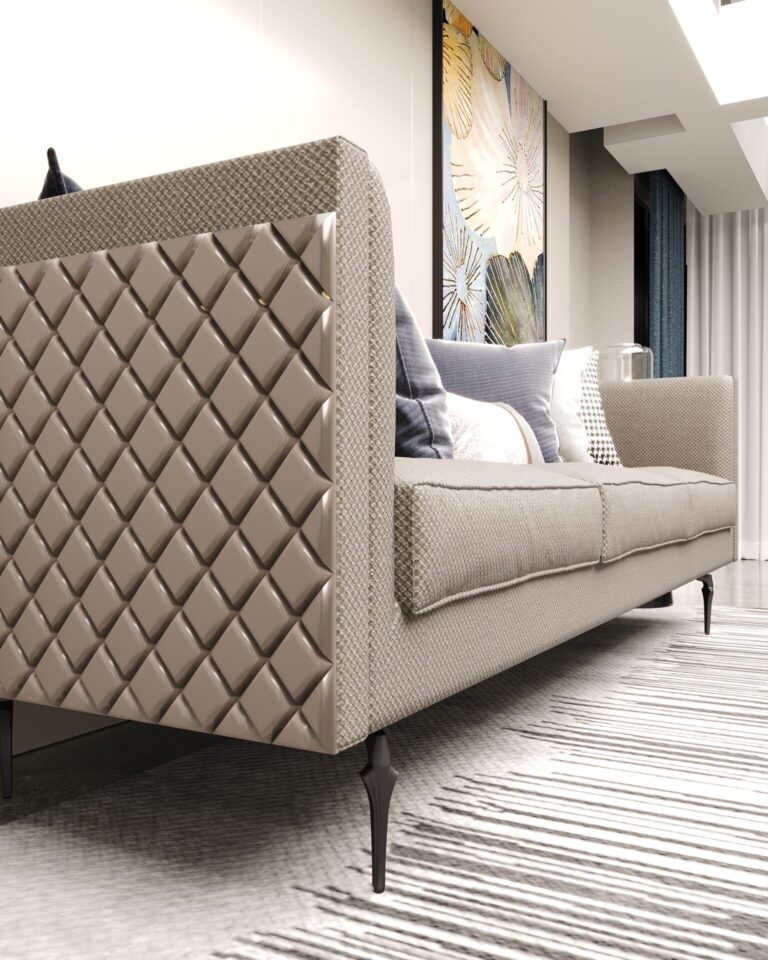
The furniture industry has undergone a remarkable transformation in recent years, driven by changing lifestyles, compact living spaces, and rising expectations for comfort and aesthetics. Furniture is no longer judged only by its appearance; functionality, durability, and user experience now play an equally important role. At the heart of this evolution lies the rapid advancement of furniture hardware innovations.
Modern consumers demand furniture that is easy to use, long-lasting, and visually aligned with contemporary interiors. As a result, the furniture hardware industry has shifted from basic mechanical fittings to intelligent, performance-driven solutions. Hardware today defines how furniture feels, functions, and performs over time.
From residential homes to commercial spaces, modern furniture hardware is redefining furniture design. These innovations are not just trends but long-term changes that are shaping the future of interior living.
Innovation has become essential in the furniture hardware sector due to evolving consumer needs and space constraints. Homes are becoming more compact, furniture is expected to do more, and users want seamless operation without compromising on aesthetics. This has pushed manufacturers to rethink traditional hardware solutions.
Advanced hardware improves furniture usability by offering smoother movement, silent operation, and enhanced safety. Innovations also increase furniture lifespan by reducing wear and mechanical stress. As a result, innovative furniture hardware adds both functional and economic value to furniture.
Additionally, innovation supports contemporary design trends. Clean surfaces, handle-less furniture, and modular layouts rely heavily on advanced hardware systems to deliver both beauty and performance.
The transition from conventional hardware to advanced fittings marks a major shift in the industry. Earlier, hardware was largely hidden and purely functional. Today, it plays a visible role in enhancing user experience and interior appeal.
Technological integration, improved materials, and precision engineering have enabled the development of advanced furniture fittings that are smoother, stronger, and smarter. These innovations align with evolving interior hardware trends, making furniture more adaptable and future-ready.
As furniture becomes more personalized and space-efficient, hardware innovations act as the backbone that supports these modern design philosophies.
1. Soft-Close Hardware Systems
Soft-close technology is one of the most impactful innovations in the furniture hardware industry. It ensures drawers and cabinet doors close gently and silently, preventing sudden slamming and reducing damage.
Soft-close systems enhance user comfort and add a premium feel to furniture. They also protect hinges, runners, and panels from long-term stress, extending furniture life.
This innovation has become a standard feature in premium furniture hardware, especially in kitchens and wardrobes.
2. Push-to-Open and Handle-Less Mechanisms
Push-to-open systems have revolutionized minimalist furniture design. By eliminating visible handles, these mechanisms support clean, seamless furniture surfaces.
They are especially popular in modern kitchens and wardrobes where simplicity and elegance are priorities. A gentle push activates the mechanism, offering effortless access.
This innovation aligns perfectly with contemporary furniture hardware trends focused on minimalism and visual clarity.
3. Concealed Furniture Hardware
Concealed hardware systems hide mechanical components within furniture panels, creating a refined and clutter-free appearance. Hinges, runners, and connectors are designed to remain invisible during use.
This innovation allows designers to highlight furniture form and finish without distraction. It also improves safety by reducing exposed edges and protrusions.
As a result, concealed systems have become essential in modern furniture hardware applications.
4. Smart Furniture Hardware
Technology has entered the furniture space through smart furniture hardware solutions. These include sensor-based drawers, touch-activated cabinets, and automated opening systems.
Smart hardware improves convenience, accessibility, and hygiene, especially in kitchens and workspaces. Some systems even integrate with home automation setups.
This innovation represents the future of hardware technology in furniture, blending comfort with intelligent design.
5. Modular and Customizable Hardware Solutions
Modular hardware systems allow furniture to be customized according to space, usage, and personal preferences. Components can be adjusted, replaced, or upgraded without altering the entire furniture structure.
This flexibility supports modular kitchens, wardrobes, and office furniture. It also enables easier repairs and upgrades over time.
Such modular furniture hardware solutions meet the growing demand for adaptable living spaces.
6. Ergonomic Furniture Hardware Designs
Ergonomics has become a key focus in hardware innovation. Ergonomic furniture hardware is designed to reduce strain, improve grip, and enhance ease of use.
Examples include curved handles, smooth-edge profiles, and easy-glide drawer systems. These designs support users of all age groups and improve everyday comfort.
Ergonomic innovations contribute to healthier and more user-friendly furniture environments.
7. Sustainable and Eco-Friendly Hardware
Sustainability is reshaping the furniture hardware industry. Sustainable furniture hardware uses recyclable materials, eco-friendly coatings, and energy-efficient manufacturing processes.
This innovation helps reduce environmental impact while maintaining performance and durability. It also aligns with global sustainability goals and conscious consumer choices.
Eco-friendly hardware solutions are becoming a key differentiator in modern furniture projects.
8. High-Performance Sliding and Folding Systems
Advanced sliding and folding hardware systems allow smooth movement even under heavy loads. Improved bearings, tracks, and dampers enhance stability and silence.
These systems are widely used in wardrobes, partitions, and space-dividing furniture. They maximize space utilization while maintaining ease of operation.
Such innovations improve both functionality and aesthetics in compact living environments.
9. Advanced Surface Finishes and Coatings
Innovations in finishes have significantly improved hardware durability and appearance. Matte, textured, and scratch-resistant coatings enhance visual appeal while protecting surfaces.
These finishes resist corrosion, wear, and discoloration over time. They also support evolving interior hardware trends focused on subtle luxury.
Advanced finishes play a major role in elevating premium furniture hardware.
10. Multi-Functional and Space-Saving Hardware
Urban living demands furniture that serves multiple purposes. Multi-functional hardware supports foldable beds, extendable tables, and convertible storage systems.
These innovations help optimize limited space without compromising comfort or usability. They are especially valuable in apartments and compact homes.
Space-saving hardware solutions reflect the future direction of the furniture hardware industry.
Hardware brands play a crucial role in shaping industry progress. Investment in research, testing, and product development drives continuous improvement.
Brands that focus on quality, performance, and design consistency help build trust among designers and homeowners. Innovation also allows brands to respond quickly to changing market needs.
Through innovation, hardware brands influence how furniture is designed, used, and experienced.
Hardware innovation has become a key contributor to long-lasting furniture performance. With evolving user expectations, furniture hardware innovations now focus on reducing wear, improving load capacity, and maintaining consistent operation over time. These advancements directly influence the durability and reliability of modern furniture.
Key ways hardware innovations enhance furniture durability include:
Advanced mechanisms that reduce mechanical stress during daily use
Reinforced components that improve load-bearing capacity and stability
Precision-engineered fittings that minimize loosening and misalignment
Use of advanced furniture fittings designed for long-term performance
User comfort has become a central priority in the furniture hardware industry, with innovations designed to make furniture more intuitive and effortless to use. Smooth motion, silent operation, and ergonomic interaction significantly improve everyday user experience.
Key factors through which hardware innovations enhance user comfort include:
Ergonomic furniture hardware that reduces strain and improves grip
Soft-close and smooth-glide systems for controlled movement
Push-to-open mechanisms that simplify access and operation
Integration of modern furniture hardware that supports ease of use
Flybird Interior focuses on delivering furniture hardware innovations that combine performance, durability, and modern design. Each product is developed with attention to detail and real-world usability.
The brand aligns its offerings with evolving interior hardware trends, ensuring relevance across residential and commercial projects. Flybird Interior emphasizes consistency, precision, and finish quality.
Key reasons to choose Flybird Interior include:
Wide range of innovative furniture hardware solutions
Premium materials ensuring strength and longevity
Advanced manufacturing for smooth and reliable performance
Designs that support modern and modular furniture concepts
Hardware suitable for diverse interior applications
Flybird Interior continues to contribute to the evolution of the furniture hardware industry through innovation-driven solutions.
Proper maintenance ensures long-lasting performance of innovative hardware.
Clean hardware regularly with a soft cloth
Avoid harsh chemicals or abrasive cleaners
Lubricate moving parts periodically if required
Follow manufacturer guidelines for usage
Address minor issues early to prevent damage
Consistent care helps maintain smooth operation and appearance.
Furniture hardware innovations are transforming how furniture is designed, used, and experienced. From smart systems to ergonomic designs, these advancements improve both functionality and comfort. Innovation has become a defining factor in modern furniture performance.
The evolution of the furniture hardware industry reflects changing lifestyles, compact spaces, and higher expectations. Advanced hardware solutions support durability, adaptability, and long-term value. This makes innovation essential for future-ready furniture.
By offering high-quality, forward-thinking solutions aligned with modern needs, Flybird Interior’s products play a key role in advancing modern furniture hardware and shaping efficient, elegant, and functional interior spaces.
Your email address will not be published. Required fields are marked*
Jay Siyaram Ind 2, Shed 1,
Nr. Ajay Weighbridge, NH 8B,
Rajkot, Gujarat 360003.
Canada 171 Marien Ave, Montreal-Est,QC H1B 5V1, Canada
House of Luxurious Furniture Fittings

Ready to Get Started?
Get our product brochure.
Copyright © 2025 Flybird All rights reserved
