
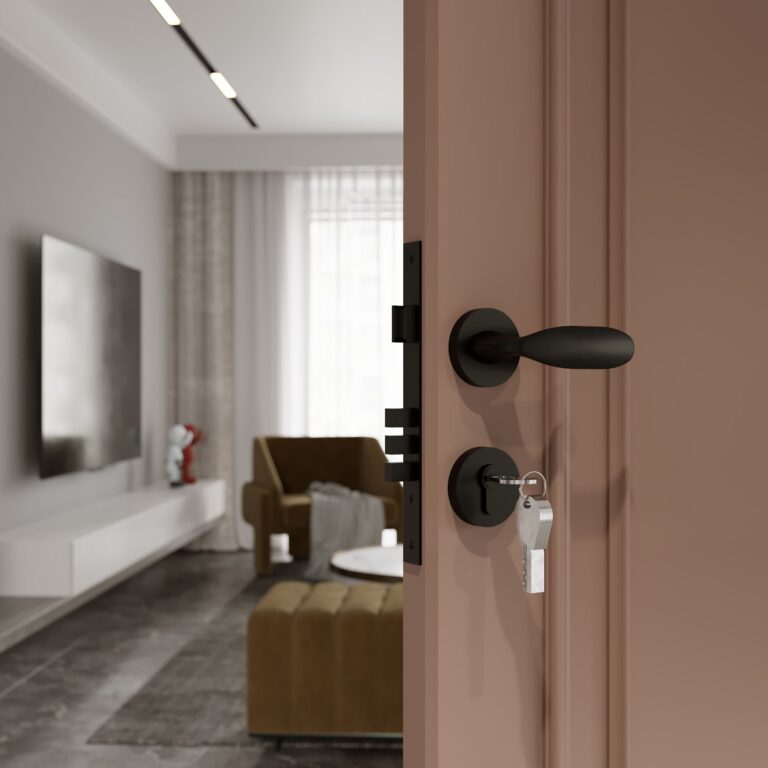
Real estate value today is shaped by a combination of tangible construction quality and intangible user experience. While architecture, layout, and location form the foundation, it is the finishing elements that determine whether a property feels premium or average. Among these elements, high-quality hardware in real estate has emerged as a silent yet powerful contributor to long-term property value.
Interior hardware is touched, moved, and used every single day. From door handles and cabinet profiles to hinges, fittings, and accessories, hardware defines how a space functions over time. Poor-quality hardware quickly exposes itself through noise, looseness, and visual degradation. In contrast, premium hardware enhances comfort, reliability, and trust in the space.
Recognizing this shift in buyer expectations, Flybird Interior focuses on delivering hardware solutions that support both functional excellence and aesthetic longevity, helping real estate projects retain value well beyond possession.
For decades, location dominated real estate conversations. However, modern buyers, especially in urban and semi-urban markets, now look beyond geography. They evaluate properties based on how well they are built, finished, and maintained.
Interior detailing plays a decisive role in this evaluation. Hardware that ages poorly creates the impression of compromised quality, even if the structure itself is sound. Buyers often interpret visible wear as a sign of future expenses. This perception directly affects negotiation power and resale outcomes.
Key non-location factors shaping value include:
Material quality and consistency
Durability of fittings and fixtures
Ease of daily use and maintenance
Long-term appearance retention
By investing in durable interior hardware, developers strengthen these factors and protect property value across market cycles.
Hardware acts as the mechanical system of interiors. Every opening, closing, sliding, or locking action relies on precision-engineered components. Inferior hardware compromises this system, leading to friction, noise, and eventual failure.
High-quality hardware ensures stable alignment, smooth operation, and long-term performance. It also protects surrounding materials—such as wood panels, laminates, and glass—from damage caused by faulty movement. This relationship explains why interior hardware and property value are so closely connected.
Additional project-level advantages include:
Reduced handover defects
Lower post-possession complaints
Enhanced customer satisfaction
Stronger developer credibility
In large-scale projects, these benefits translate into significant cost and reputation savings.
Buyers form opinions emotionally before they analyze logically. The feel of a door handle, the weight of a knob, or the smoothness of a sliding system creates instant subconscious judgments.
Premium hardware communicates stability and care. It reassures buyers that the developer has not compromised on unseen details. Even without technical knowledge, buyers sense quality through touch and movement.
Psychological triggers influenced by hardware include:
Trust in construction quality
Confidence in long-term performance
Perceived lifestyle upgrade
Willingness to pay a premium
These emotional responses often outweigh purely rational cost comparisons.
Durability defines the true cost of hardware, not the purchase price. Inferior fittings may appear economical initially, but require frequent repairs, replacements, and adjustments.
High-quality hardware maintains structural integrity under repeated use. Its materials, coatings, and internal mechanisms are designed to withstand time, load, and environmental exposure.
From a financial standpoint, durability contributes to:
Lower replacement frequency
Reduced labor and service costs
Fewer tenant complaints
Extended renovation cycles
For investors and homeowners alike, durability directly supports asset appreciation and income stability.
Residential buyers prioritize comfort, convenience, and visual harmony. Hardware influences all three. Poor-quality fittings disrupt daily routines and diminish living experience.
Well-designed hardware enhances movement flow, reduces effort, and complements interior themes. Buyers increasingly recognize this difference during site visits and sample flat inspections.
Value-enhancing residential hardware applications include:
Solid main door handles that convey security
Smooth kitchen cabinet profiles for daily efficiency
Wardrobe systems that operate silently
Bathroom accessories that resist corrosion
Homes featuring premium interior fittings feel complete, well-planned, and ready for long-term living.
Commercial interiors operate under constant stress. Doors open continuously, fittings experience heavy loads, and maintenance downtime directly impacts operations.
High-quality hardware ensures uninterrupted functionality and reduces operational disruptions. In sectors like hospitality and healthcare, hardware quality also affects guest experience and hygiene standards.
Commercial benefits include:
Improved tenant retention
Lower facility management costs
Better compliance with safety norms
Enhanced brand image for occupants
For developers, selecting reliable real estate interior hardware becomes essential for sustainable asset performance.
Functionality defines habit formation. When hardware operates smoothly, users adapt naturally and comfortably. When it fails, frustration builds quickly.
High-quality hardware prioritizes ergonomic design, balanced weight distribution, and precision movement. These features reduce physical strain and improve accessibility across age groups.
Functional advantages include:
Effortless operation
Reduced noise pollution
Consistent alignment
Long-term operational stability
Over time, these factors shape occupant satisfaction and loyalty.
Resale buyers look for assurance. They assess visible wear, functionality, and upgrade requirements. Hardware often becomes a deciding indicator.
Premium hardware signals lower immediate expenditure and better maintenance history. This improves inspection outcomes and negotiation strength.
Resale advantages include:
Higher buyer confidence
Reduced price objections
Faster closure timelines
Stronger perceived value
As a result, properties with quality fittings perform better in resale markets.
Flybird Interior focuses on creating hardware solutions that meet the evolving demands of modern real estate. Each product is developed with attention to durability, usability, and contemporary design compatibility.
The brand’s approach emphasizes performance under real-world conditions, ensuring smooth operation and visual consistency across years of use. This reliability supports both immediate appeal and long-term property value.
Engineered for long-term durability
Designed for modern residential and commercial interiors
Consistent quality across product ranges
Focus on functional excellence and aesthetics
Trusted by professionals for value-driven solutions
Flybird Interior enables developers and homeowners to enhance usability, perception, and asset worth through reliable hardware choices.
Proper care significantly extends the lifespan of interior hardware, even when premium materials are used. Routine maintenance helps preserve finishes, prevents mechanical issues, and ensures smooth performance over time. Simple habits adopted early can protect both functionality and appearance, especially in high-usage residential and commercial environments.
To maintain interior hardware effectively, consider the following practices:
Clean hardware regularly using soft cloths to remove dust, fingerprints, and surface residue without scratching finishes.
Avoid harsh chemicals and abrasive cleaners, as they can damage protective coatings and dull the surface over time.
Inspect fittings periodically to check for loose screws, misalignment, or early signs of wear that can be corrected quickly.
Tighten hardware components when needed to prevent wobbling, which can strain surrounding materials and reduce lifespan.
Lubricate moving parts occasionally, such as hinges and sliding systems, to ensure smooth and noise-free operation.
High-quality hardware has evolved into a strategic element of real estate value creation. It influences buyer psychology, enhances functionality, reduces maintenance burdens, and strengthens resale outcomes. Properties that prioritize hardware quality consistently outperform those that compromise on finishing details.
Investing in premium hardware for real estate projects delivers measurable returns through durability, comfort, and lasting aesthetic appeal. These advantages compound over time, protecting both financial and experiential value.
With thoughtfully engineered solutions from Flybird Interior, real estate projects gain a competitive edge, ensuring refined interiors, dependable performance, and sustained property value in a quality-driven market.
Your email address will not be published. Required fields are marked*
Jay Siyaram Ind 2, Shed 1,
Nr. Ajay Weighbridge, NH 8B,
Rajkot, Gujarat 360003.
Canada 171 Marien Ave, Montreal-Est,QC H1B 5V1, Canada
House of Luxurious Furniture Fittings

Ready to Get Started?
Get our product brochure.
Copyright © 2025 Flybird All rights reserved
