
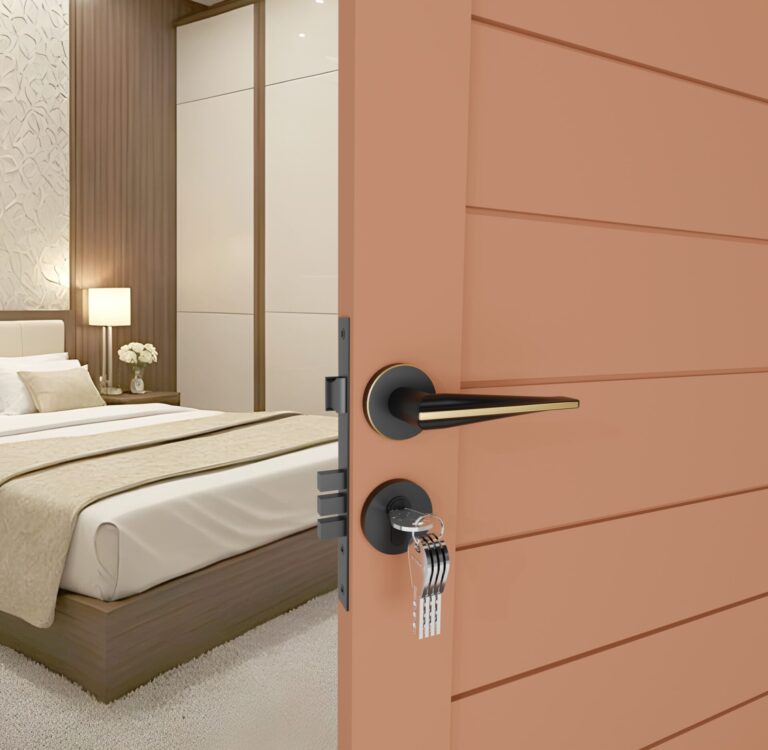
In interior design, furniture often takes center stage while furniture hardware quietly supports it in the background. However, the reality is very different. Modern furniture hardware plays a defining role in how furniture looks, feels, and performs on a daily basis. From the smooth pull of cabinet handles to the solid grip of brass mortise handles on a main door, hardware directly influences both usability and aesthetics.
Modern homes demand more than just visually appealing furniture. Homeowners today expect durability, comfort, and seamless functionality without compromising on design. This is where functional furniture hardware becomes crucial. When functionality and design are thoughtfully combined, hardware transforms furniture into a refined and long-lasting interior element rather than a mere accessory.
This blog explores how furniture hardware design successfully bridges practicality with visual appeal, why this balance matters in modern interiors, and how the right approach to hardware selection enhances everyday living.
Furniture hardware may be small in size, but its impact on interior design is substantial. It acts as the connecting element between furniture structure and user interaction. Well-designed decorative furniture hardware enhances the visual language of furniture while ensuring smooth and reliable operation.
In contemporary interiors, interior hardware design contributes in several ways:
It defines the overall style of cabinets, wardrobes, and doors
It adds contrast, texture, or continuity to furniture surfaces
It influences how premium or minimal a space feels
For example, sleek profile handles create a clean and modern appearance by blending seamlessly into cabinetry. Furniture knobs, on the other hand, add personality and charm, especially in classic or transitional interiors. The right hardware choice strengthens the design narrative of a space without demanding unnecessary attention.
Before furniture hardware can enhance design, it must perform its functional role flawlessly. Hardware is used repeatedly throughout the day, making comfort, durability, and ease of use non-negotiable factors. Poorly designed functional furniture hardware quickly becomes frustrating, regardless of how attractive it looks.
Functional hardware ensures:
Smooth opening and closing of furniture
Comfortable grip without strain
Stability under frequent use
Long-term performance without loosening or damage
Functionality also includes practical considerations such as weight-bearing capacity, resistance to wear, and compatibility with different furniture materials. This is why performance remains the foundation of durable furniture hardware.
Design gives furniture hardware design its character and visual identity. While functionality ensures performance, design ensures that hardware complements the furniture rather than disrupting its appearance. Modern furniture hardware focuses on balance clean shapes, refined proportions, and finishes that enhance furniture surfaces.
Well-designed hardware achieves:
Alignment with overall interior themes
Improved furniture proportions
Visual harmony across spaces
Minimalist profile handles suit contemporary interiors, while brass mortise handles bring richness to luxury settings. The key lies in ensuring design supports comfort and usability.
Material selection plays a vital role in the performance and appearance of furniture hardware materials. The right material ensures durability while supporting design versatility.
Common materials used in premium furniture hardware include:
Stainless steel for strength and corrosion resistance
Aluminium for lightweight and sleek designs
Brass for timeless elegance and durability
Zinc alloy for intricate and modern forms
Each material serves specific applications, from aluminium profile handles in wardrobes to brass mortise handles for main doors.
High-quality durable furniture hardware plays a critical role in preserving the structural integrity and lifespan of furniture. Hardware absorbs much of the stress created by repeated use, and poor-quality components often transfer this stress to furniture panels and joints.
When hardware is designed and manufactured with precision, it supports smooth operation and reduces long-term damage. Quality hardware also minimises the need for frequent repairs or replacements, making it a smart long-term investment.
Benefits of investing in quality furniture hardware include:
Reduced wear and tear on furniture panels and joints
Smooth and consistent operation over time
Better load distribution, especially in cabinets and doors
Lower maintenance and replacement costs
Improved overall furniture stability and performance
By supporting both functionality and structure, quality hardware significantly extends the usable life of furniture.
Despite its importance, furniture hardware is often chosen as an afterthought, leading to mistakes that negatively impact both usability and aesthetics. One of the most common errors is prioritising appearance over performance, resulting in hardware that looks attractive but fails in daily use.
Such mistakes can reduce comfort, damage furniture, and create an inconsistent interior look. Avoiding these issues requires a balanced approach that considers design, ergonomics, and material quality together.
Common mistakes in furniture hardware selection include:
Choosing visually appealing but weak decorative furniture hardware
Ignoring ergonomics, leading to uncomfortable grip or usage
Selecting finishes that fade, scratch, or corrode easily
Mismatching hardware style with furniture design
Compromising on material quality to reduce short-term costs
Understanding these pitfalls helps ensure that functional furniture hardware enhances interiors rather than becoming a source of inconvenience.
Different types of modern interior hardware serve different purposes while enhancing furniture aesthetics.
Common hardware types include:
Cabinet handles for strength and consistency
Profile handles for seamless design
Furniture knobs for decorative appeal
Conceal handles for minimalist interiors
Brass mortise handles for security and elegance
Selecting the right type ensures both function and design remain aligned.
Choosing the right furniture hardware depends heavily on the type of furniture it is being installed on and how frequently it will be used. Each furniture category has unique functional requirements, and ignoring these differences often leads to discomfort, faster wear, or visual imbalance. When hardware selection aligns with furniture purpose, it enhances usability while maintaining design consistency across interiors.
Different furniture types demand different levels of strength, finish durability, and ergonomic comfort. For example, hardware used in kitchens experiences more moisture, grease, and daily handling, whereas wardrobe hardware focuses more on smooth operation and visual flow. Matching hardware correctly ensures that furniture performs well and retains its appearance over time.
Key considerations when matching furniture hardware with furniture type include:
Kitchen cabinets require durable furniture hardware that is easy to clean and resistant to moisture and stains
Wardrobes benefit from profile handles or integrated designs that maintain clean vertical lines
Bathroom furniture needs corrosion-resistant materials and finishes to handle humidity
Living room furniture can use decorative furniture hardware to add personality and elegance
Main doors demand strong and secure brass mortise handles that combine safety with premium aesthetics
When hardware complements furniture type, it improves daily comfort while strengthening the overall interior design language.
Flybird Interior approaches furniture hardware design with a clear philosophy—every product must perform effortlessly while enhancing furniture aesthetics. From concept to manufacturing, usability, strength, and design are treated with equal importance.
By combining modern design sensibilities with precision engineering, Flybird Interior creates premium furniture hardware suited for contemporary Indian homes and global interiors. Whether it is cabinet handles, profile handles, furniture knobs, or brass mortise handles, every product reflects a thoughtful balance of form and function.
Focus on ergonomic designs for everyday comfort
Use of premium materials for long-term durability
Finishes resistant to corrosion and wear
Designs compatible with modern and classic interiors
Consistent quality control across all hardware ranges
Even the best furniture hardware requires proper care to maintain its appearance and performance. Regular maintenance helps preserve finishes, prevents corrosion, and ensures smooth functionality throughout the hardware’s lifespan.
Maintenance does not require complex procedures, but consistency is key. Simple habits can make a noticeable difference in how long hardware retains its original look and feel.
Effective maintenance practices for long-lasting furniture hardware include:
Cleaning hardware regularly with a soft cloth and mild cleaning solution
Avoiding abrasive cleaners that can damage furniture hardware finishes
Keeping hardware dry, especially in kitchens and bathrooms
Periodically checking screws and fittings for tightness
Handling hardware gently to prevent unnecessary stress
With proper maintenance, modern furniture hardware continues to perform efficiently while maintaining its visual appeal for years.
The true value of furniture hardware lies in how effectively it combines functionality with design to support everyday living. While design enhances the visual appeal of furniture, functionality ensures comfort, durability, and reliability over time. When these two elements work in harmony, furniture hardware becomes more than a supporting component it becomes an integral part of well-planned interiors.
Thoughtfully selected modern furniture hardware improves the way furniture is used on a daily basis. Ergonomic designs, durable materials, and reliable finishes contribute to smooth operation while preserving the appearance of furniture. By avoiding common selection mistakes and focusing on quality, homeowners and designers can ensure that hardware continues to perform efficiently without compromising aesthetics.
By choosing functional furniture hardware that is designed with both usability and style in mind, interiors gain long-term value and visual consistency. With its commitment to premium materials, refined design, and reliable performance, Flybird Interior’s products demonstrates how furniture hardware can successfully balance practicality and elegance, helping create spaces that are comfortable, durable, and visually refined.
Visit our other blog: Small Hardware Changes That Make a Big Design Difference!
Your email address will not be published. Required fields are marked*
Jay Siyaram Ind 2, Shed 1,
Nr. Ajay Weighbridge, NH 8B,
Rajkot, Gujarat 360003.
Canada 171 Marien Ave, Montreal-Est,QC H1B 5V1, Canada
House of Luxurious Furniture Fittings

Ready to Get Started?
Get our product brochure.
Copyright © 2025 Flybird All rights reserved
