
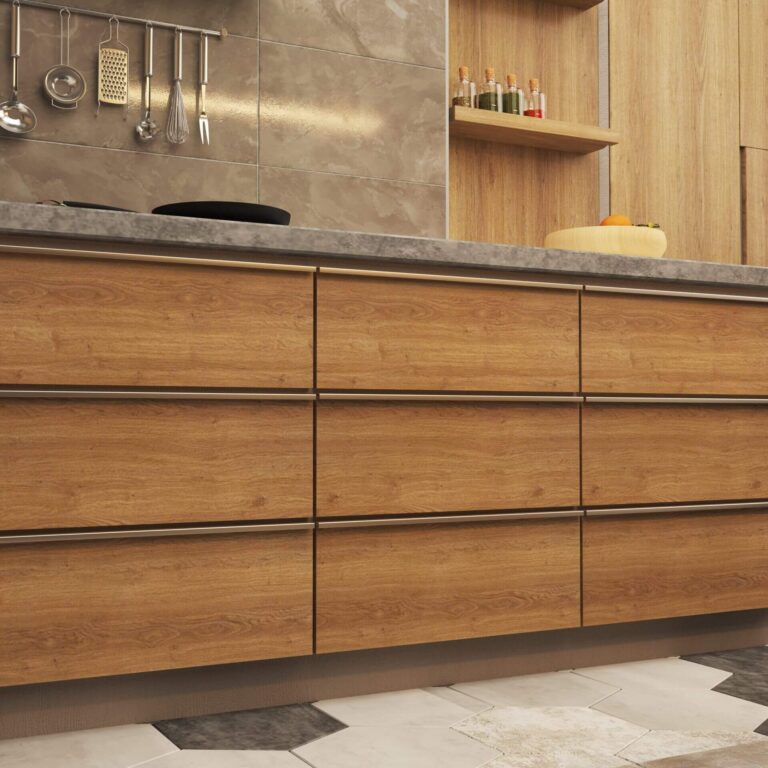
Symmetry has always been one of the most powerful design principles in architecture and interiors. Even before we think consciously about colours, materials, or furniture, our eyes naturally respond to balance, alignment, and proportion. That’s why handle placement, although small in scale, has an enormous impact on how rooms feel. Whether it is a simple cabinet handle, an elongated wardrobe handle, a sleek profile handle, or a circular knob, the way it is positioned determines the overall interior balance of your furniture and your space.
Modern homes rely heavily on clean lines, subtle detailing, and visual order. And in this style movement, symmetry in interiors plays a major role. Perfectly aligned modern handles, coordinated spacing, and consistent handle heights create harmony that enhances not just furniture, but the entire atmosphere of a room. This blog explores the deep connection between symmetry and handle design, revealing how the tiniest hardware choices shape the elegance of modern interiors.
Symmetry is universally appealing because it reflects natural patterns. From the human face to architecture, balanced proportions feel familiar and comforting. In interiors, symmetrical arrangements create:
A calmer environment
Structure and order
A sense of luxury and intentional design
Visual satisfaction
When a pair of wardrobe handles align perfectly or when a row of cabinet handles follows the same height line, the furniture immediately looks premium and thoughtfully designed. Even the simplest drawers look elevated when their knobs follow perfect geometric spacing.
In contrast, handle misalignment disrupts flow. A slightly tilted handle or an uneven gap can make the entire furniture piece look poorly installed. Symmetry is subtle, but its impact is deep and immediate.
One of the strongest contributors to interior balance is hardware alignment. The positioning of a door handle, knob, or pull handle affects how the furniture blends into the overall design.
When handle placement is consistent:
Visual flow improves
Furniture surfaces feel cohesive
Movement through the room becomes intuitive
The design feels intentional rather than accidental
But when hardware symmetry is ignored:
Cabinets look mismatched
Wardrobes feel uneven
Kitchen units look cluttered
The room loses its refined visual order
Even a difference of 2–3 millimeters can make a drawer appear out of balance. That’s why professional designers treat handle positioning as seriously as choosing materials or finishes.
Symmetry isn’t just one concept. Hardware design uses several forms of symmetrical balance.
This is the most common style—handles placed evenly on both sides of a centered line. Wardrobe doors, cabinet pairs, and double doors rely heavily on this.
Used for tall furniture, ensuring that long handles create a clean vertical line from top to bottom.
Common in kitchen drawers, keeping all cabinet handles aligned horizontally for visual consistency.
Used with a knob design, especially in drawers where positioning is centered.
A modern trend where slight imbalance is used intentionally to create artistic contrast, often seen in contemporary designer furniture.
Different furniture categories require different placement rules to maintain harmony.
1. Wardrobes
Tall doors need either perfectly centered wardrobe handles or evenly paired long handles for sliding systems. The alignment should create an uninterrupted vertical rhythm.
2. Kitchen Cabinets
Base cabinets often use horizontal bar handles, while overhead units use vertical pulls. Both must align across the kitchen for a unified look.
3. Drawers
Drawer knob symmetry is crucial—every knob must be centered. For wide drawers, dual pull handles are common.
4. Tall Units and Storage Towers
These require elongated handles that maintain proportional balance with the furniture height.
5. Bathroom Cabinets
Smaller units need slim hardware with precise spacing to avoid clutter.
6. Sliding Doors
Placement should allow effortless grip while keeping a clean, symmetrical silhouette.
The shape of the handle influences how symmetry is perceived.
Straight Bar Handles
Perfect for achieving crisp lines across cabinets, wardrobes, and kitchens.
Profile Handles
These create seamless alignment, especially for modern wardrobes and kitchen drawers.
Curved Handles
Their soft forms add visual comfort and are easier to align because of their ergonomic shape.
Long Wardrobe Handles
Ideal for tall doors, enhancing vertical symmetry.
Knobs
The easiest to centre, making them suitable for drawers and small cabinets.
Choosing the right shape ensures that the alignment complements the overall geometry of your furniture.
Perfect symmetry isn’t only about left and right placement—it also involves height and spacing.
Ideal Height Placement
Wardrobe handles typically sit around shoulder height
Cabinet handles align horizontally with the countertop or door edges
Drawers follow a centered midpoint for knob design
Gap Measurements
Consistent spacing between handle screws, edges, and adjacent handles is essential. This prevents overcrowding or visual imbalance.
Proportion and Scale
A long handle on a small drawer or a tiny handle on a tall wardrobe disturbs balance. Scale must be proportional to the furniture dimensions.
Common Homeowner Mistakes
Installing handles too close to the edge
Wrong height level on wardrobes
Using mismatched handle lengths
Placing handles off-center unknowingly
Correcting these restores the visual harmony of interiors.
Kitchens rely heavily on precise hardware alignment. With rows of cabinets and drawers, symmetry becomes extremely noticeable.
What Makes Kitchen Symmetry Important
Ensures smooth visual flow
Adds a professional, modular aesthetic
Enhances functional efficiency
Keeps overall design neat and minimal
Handle Orientation
Horizontal on drawers
Vertical on top and bottom cabinets
Consistent alignment across the kitchen wall
Even kitchen handle symmetry between stove-side cabinets and sink-side cabinets contributes to spatial balance.
Bedroom furniture is the soul of daily comfort, and handle symmetry plays a big role.
Long, vertical handles must be placed at identical heights and distances to create a steady visual column.
Handles should match in length and placement on both panels.
Drawer knob symmetry ensures that bedside furniture feels calming and aligned.
Multiple drawers must follow perfect alignment lines to avoid visual disruption.
In bedrooms, where the eye rests more often, even the smallest imbalance becomes noticeable.
Modern interiors sometimes rely on creative imbalance for artistic effect.
When Asymmetry Works
In designer furniture with organic forms
When mixing open shelves with closed cabinets
In industrial or contemporary themes
To create visual interest without overwhelming space
However, intentional asymmetry must still feel balanced. Designers often pair asymmetry with proportion, colour, or texture to keep harmony intact.
Asymmetry works best when it feels deliberate—not accidental.
Different interior themes influence how symmetry is used.
Strict alignment, slim profile handles, and consistent heights.
Long wardrobe handles, dual-tone finishes, and symmetrical vertical lines.
Centered knobs, subtle handles, and natural wood accents.
Bolder asymmetry, thicker hardware, and rugged finishes.
Each theme demands a unique approach to hardware arrangement.
Symmetry isn’t just visual; it enhances usability too.
Handles placed at ergonomic heights reduce strain
Balanced placement makes opening smoother
Symmetrical alignment prevents accidental tugging
Soft-close systems work better with aligned hardware
When ergonomic handle placement is maintained, interiors look beautiful and work better.
Even a beautiful piece of furniture can appear cheap if hardware is misaligned. Here are the mistakes that most homeowners unknowingly make:
Off-center cabinet handles
Incorrect wardrobe handle height
Mismatched handle lengths
Uneven spacing between knobs
Handles installed too close to the edge
Misaligned conceal handle channels
Wrong orientation of modern handles
Fixing these restores balance, and often requires only small adjustments for big impact.
Flybird Interior is a leader in hardware design because every product is crafted with precision, balance, and engineering detail. Whether you choose a wardrobe handle, profile handle, cabinet handle, main door handle, knob, conceal handle, or brass mortise handle, each one is built to allow perfect alignment.
Precision manufacturing ensures flawless hardware symmetry
Designs suitable for every theme and furniture type
High-grade materials for long-term alignment stability
Finishes that maintain their richness even with frequent cleaning
Ergonomic grip and handle geometry crafted for daily comfort
Collections designed to complement balanced, symmetrical interiors
For homeowners and designers seeking visual consistency and modern elegance, Flybird Interior provides hardware that not only looks premium but aligns beautifully across every furniture unit.
Even perfectly installed hardware needs regular care to remain symmetrical and strong.
Check screws every few months
Avoid overpulling or sideways pulling
Wipe regularly to prevent dirt buildup
Clean according to finish type
Re-tighten loose hardware before it tilts
Misaligned handles loosen faster, so maintaining alignment improves the durability of the entire unit.
Symmetry is more than just a design choice—it’s an emotional experience. Perfectly aligned handles create order, comfort, and a sense of calmness in interiors. Whether it’s a kitchen, wardrobe, bedroom drawer, or main door, handle placement plays a subtle yet powerful role in defining interior balance.
The beauty of symmetry lies in its simplicity. A balanced layout makes furniture look luxurious, refined, and thoughtfully designed. With carefully positioned modern handles, consistent alignment, and high-quality hardware, your home can achieve harmony that feels both elegant and timeless.
For homeowners aiming to enhance both beauty and balance, choosing reliable, precision-crafted hardware from Flybird Interior’s product ensures that every detail supports the larger vision of a symmetrical, stylish, and modern home.
Visit our other Blog: Mixing Metals in Interior Design: Do’s and Don’ts For a Balanced Look
Your email address will not be published. Required fields are marked*
Jay Siyaram Ind 2, Shed 1,
Nr. Ajay Weighbridge, NH 8B,
Rajkot, Gujarat 360003.
Canada 171 Marien Ave, Montreal-Est,QC H1B 5V1, Canada
House of Luxurious Furniture Fittings

Ready to Get Started?
Get our product brochure.
Copyright © 2025 Flybird All rights reserved
